





.svg)
.svg)

.svg)
.svg)
Hysterectomy FAQ
What is a hysterectomy?
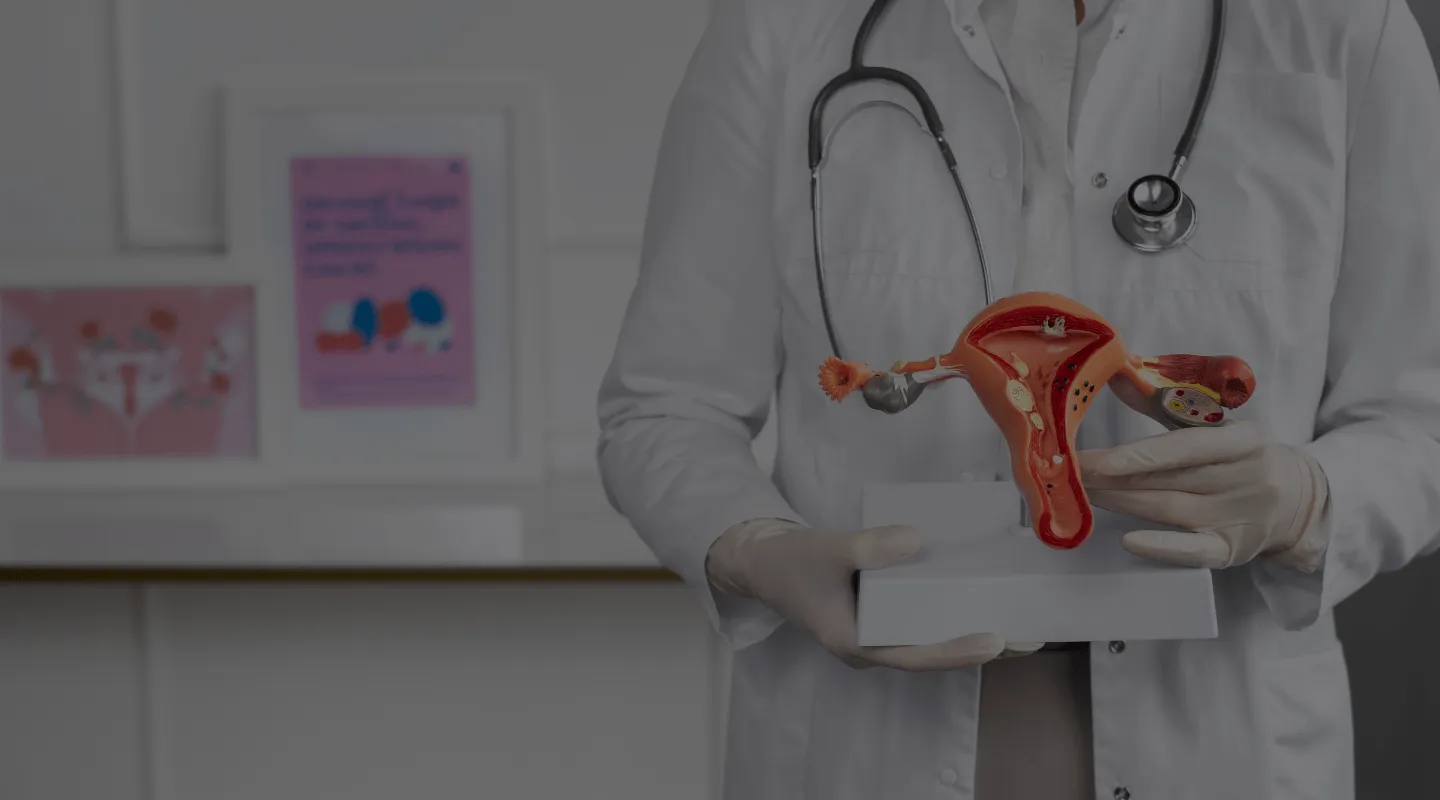
A hysterectomy is a surgical procedure to remove a woman’s uterus.
Why might a woman need a hysterectomy?
The most common reasons a woman may need a hysterectomy include uterine fibroids, abnormal uterine bleeding, uterine prolapse, ovarian cysts, uterine cancer, and chronic pelvic pain.
How is a hysterectomy performed?
A hysterectomy can be performed in several ways, including vaginally, abdominally, or laparoscopically. The choice of method will depend on several factors, such as the reason for the hysterectomy, the patient’s overall health, and the surgeon’s preference.
What is recovery like after a hysterectomy?
Recovery after a hysterectomy varies depending on the method used for the procedure. In general, women can expect to spend several weeks resting and avoiding strenuous physical activity. Recovery time may vary depending on the woman’s age, overall health, and the reason why the hysterectomy was performed.
Are there any risks associated with a hysterectomy?
As with any surgical procedure, there are risks associated with a hysterectomy, including excessive bleeding, infection, complications related to anesthesia, and damage to nearby organs. Risks may vary depending on the method used for the procedure and the patient’s overall health.
Are there alternatives to a hysterectomy?
Alternatives to a hysterectomy often exist, depending on the reason for the need for the procedure. Alternatives may include medication, less invasive procedures such as uterine fibroid embolization, and non-surgical therapies such as physiotherapy and acupuncture.
Does a hysterectomy affect menopause?
If a woman undergoes a hysterectomy that involves the removal of her ovaries, this can lead to premature menopause. If the ovaries are not removed, menopause may occur naturally at the usual age.
Does a hysterectomy affect sexuality?
The impact of a hysterectomy on sexuality varies from woman to woman. Some women may experience changes in their sexual function, while others notice no changes. It is important for women to discuss their concerns and questions with their doctor before and after the procedure.

